
Is Your Tap Water Safe to Drink? What Happens Inside a Neglected Water Tank
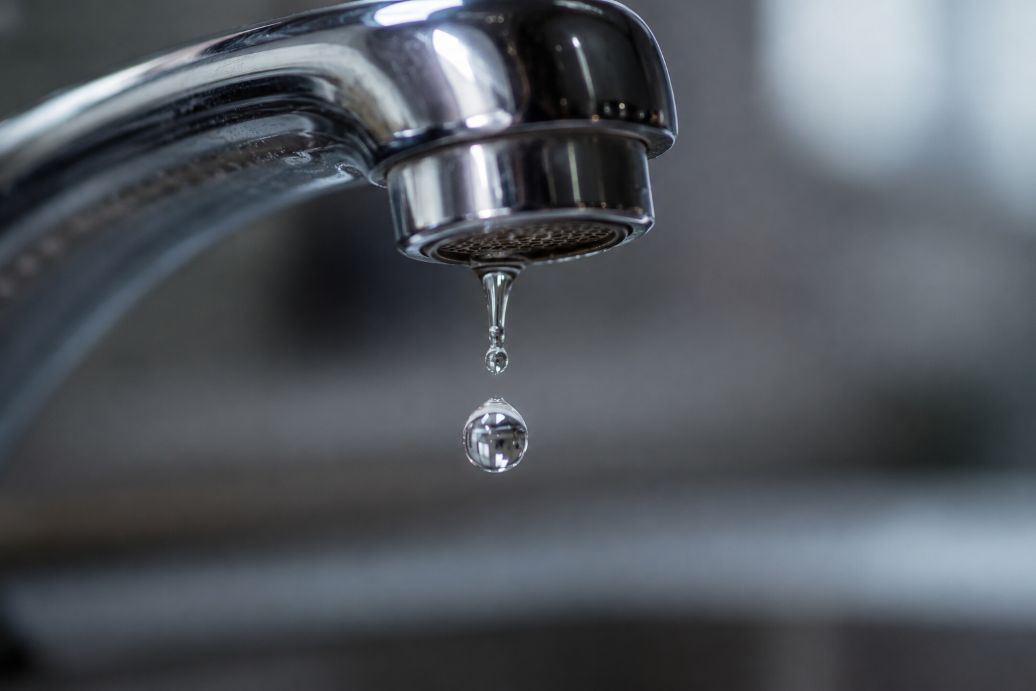
The World Health Organization estimates that contaminated drinking water contributes to hundreds of thousands of deaths globally each year through waterborne diseases linked to bacteria, parasites, and poor sanitation. Clean-looking tap water may appear safe at first glance, yet the condition of the storage system behind it often determines the actual quality of the water people consume every day.
Many residential and commercial buildings rely on rooftop or underground storage tanks to maintain a steady water supply. Over time, these tanks collect sediment, mineral buildup, organic matter, and microbial growth that remain hidden from daily view. Property owners often overlook regular maintenance because the water coming from the tap still appears clear. However, specialists in water hygiene, including providers such as Masa7, a water tank cleaning company in Jeddah, frequently deal with tanks where contamination has quietly accumulated for months or even years before anyone notices a problem.
The Hidden Risks Inside Water Storage Tanks
Water tanks are designed to store water safely, but they are constantly exposed to environmental conditions that encourage contamination. Heat, moisture, dust, and poor sealing create an environment where harmful microorganisms can thrive. Research published by the Centers for Disease Control and Prevention (CDC) explains that stagnant water systems can support bacterial growth, especially when cleaning schedules are neglected.
Small cracks, damaged covers, or loose fittings may allow insects, dirt, and debris to enter the tank. In warmer climates, elevated temperatures further increase the risk of microbial activity. Sediment gradually settles at the bottom while organic matter decomposes over time. Once contamination begins, water quality can decline without producing immediate warning signs.
People often assume municipal treatment alone guarantees safe drinking water. Yet experts note that water quality can change after the water enters a private storage system. Even treated water may become unsafe if the storage environment is poorly maintained.
How Bacteria Develop in Neglected Tanks
Bacteria naturally exist in many water environments. Problems arise when conditions allow harmful strains to multiply inside enclosed systems. Biofilm formation is one of the most common issues found in neglected tanks. Biofilms are slimy layers of microorganisms that attach to tank walls and internal surfaces.
The United States Environmental Protection Agency (EPA) explains that biofilms can protect bacteria from disinfectants, making contamination harder to remove once it becomes established. Certain bacteria, including Legionella, thrive in warm stagnant water and may spread through household plumbing systems.
People exposed to contaminated water may experience stomach discomfort, skin irritation, unpleasant odors, or unusual tastes in drinking water. In severe cases, vulnerable individuals such as older adults, young children, or those with weakened immune systems face higher health risks.
Routine cleaning reduces the likelihood of bacterial colonies expanding throughout the tank. Without periodic sanitation, layers of contamination continue building over time.
Why Algae and Sludge Build Up Over Time
Algae growth is another common issue in poorly maintained water tanks. Sunlight exposure, especially in partially transparent or damaged tanks, encourages algae formation. Green discoloration along interior walls is often one of the first visible signs.
Research from UNICEF and multiple public health studies indicates that algae contamination may alter water taste and odor while contributing to additional microbial growth. Algae itself may not always be dangerous, but it creates conditions that encourage broader water quality problems.
Sludge accumulation also develops gradually. Dust particles, rust, sand, and calcium deposits settle at the bottom of the tank over months or years. This sediment reduces storage efficiency and creates an environment where microorganisms can grow more easily.
Calcium scaling presents another challenge in regions with hard water. Mineral deposits attach to internal surfaces and pipes, restricting water flow and affecting plumbing performance. Over time, these deposits become difficult to remove without professional cleaning equipment.
How Water Quality Affects Everyday Life
Water from storage tanks reaches kitchens, bathrooms, washing machines, and food preparation areas. This means contamination inside a neglected tank affects more than drinking water alone.
The World Health Organization notes that unsafe water contributes to gastrointestinal illnesses and sanitation-related health concerns worldwide. Even low-level contamination may influence cooking safety, personal hygiene, and household cleanliness.
Families may notice unusual smells, cloudy appearance, or discoloration in their tap water. Others experience reduced water pressure caused by sediment buildup in pipes connected to the storage system. In many cases, the source of the problem remains unnoticed because the tank itself is rarely inspected.
Restaurants, schools, apartment buildings, and healthcare facilities face even greater responsibility because larger numbers of people depend on the same water supply. Regular inspection and maintenance become essential for protecting public health within shared environments.
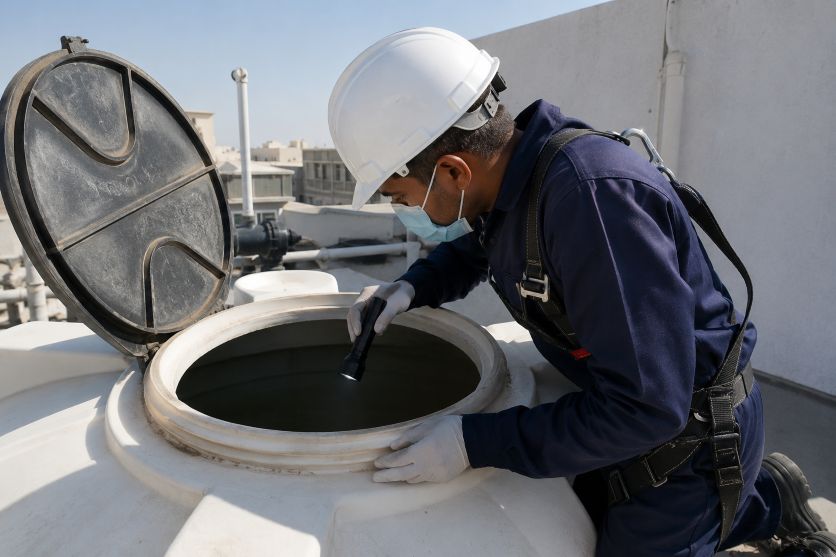
What a Professional Water Tank Cleaning Company in Jeddah Actually Does
A professional Water Tank Cleaning Company in Jeddah typically begins the process with a detailed inspection of the storage system. Technicians examine the condition of the tank walls, lids, valves, and connected pipes to identify visible contamination or structural concerns.
The cleaning process usually starts by draining the stored water completely. Once empty, accumulated sludge, sediment, and debris are removed manually or through specialized vacuum equipment. Interior surfaces are then scrubbed to remove biofilm layers, algae residue, and mineral deposits.
Disinfection is another important stage. Cleaning teams often use approved sanitizing agents designed for potable water systems. Proper rinsing procedures follow to ensure no cleaning chemicals remain inside the tank after sanitation.
Some maintenance providers also inspect for leaks, corrosion, or damaged seals that could allow future contamination. Preventive maintenance recommendations help property owners reduce recurring problems.
The National Sanitation Foundation (NSF) emphasizes that maintaining clean water storage systems is an important part of protecting drinking water quality in residential and commercial settings. Professional servicing helps address contamination that ordinary household cleaning methods may miss.
Why Regular Maintenance Matters
Water tanks are often forgotten because they operate quietly in the background of daily life. Unlike visible appliances, they rarely receive attention unless a major problem develops. Unfortunately, waiting until contamination becomes obvious can increase health risks and cleaning costs.
Routine inspection schedules help identify early warning signs before conditions worsen. Maintenance professionals often recommend periodic cleaning intervals depending on tank size, water usage, local climate, and environmental exposure.
Preventive maintenance also supports plumbing efficiency. Removing calcium buildup and sediment helps water move more effectively through pipes and fixtures. Cleaner systems place less strain on pumps and connected equipment.
Many property managers now view water storage maintenance as part of broader building hygiene practices rather than an occasional emergency service. This shift reflects growing awareness about the relationship between infrastructure conditions and public health.
READ ALSO: How Water Tank Cleaning Jeddah Is Redefining Dining Hygiene Standards Across Cafes And Eateries
Clean Water Starts Long Before the Faucet
Tap water safety depends on more than municipal treatment facilities. The condition of the storage tank behind the system plays a major role in determining the quality of the water that reaches homes and businesses every day.
Bacteria, algae, sludge, and mineral deposits develop gradually inside neglected tanks, often without immediate warning signs. Over time, these contaminants can affect water taste, plumbing performance, sanitation standards, and household health.
Regular inspection, proper sanitation, and professional reservoir cleaning services help reduce those risks before they become serious problems. Clean storage systems support safer drinking water, cleaner kitchens, and healthier living environments. What happens inside a neglected water tank eventually reaches the water poured into cooking pots, drinking glasses, and family meals at the table.


