
How Water Tank Cleaning Jeddah Is Redefining Dining Hygiene Standards Across Cafes And Eateries
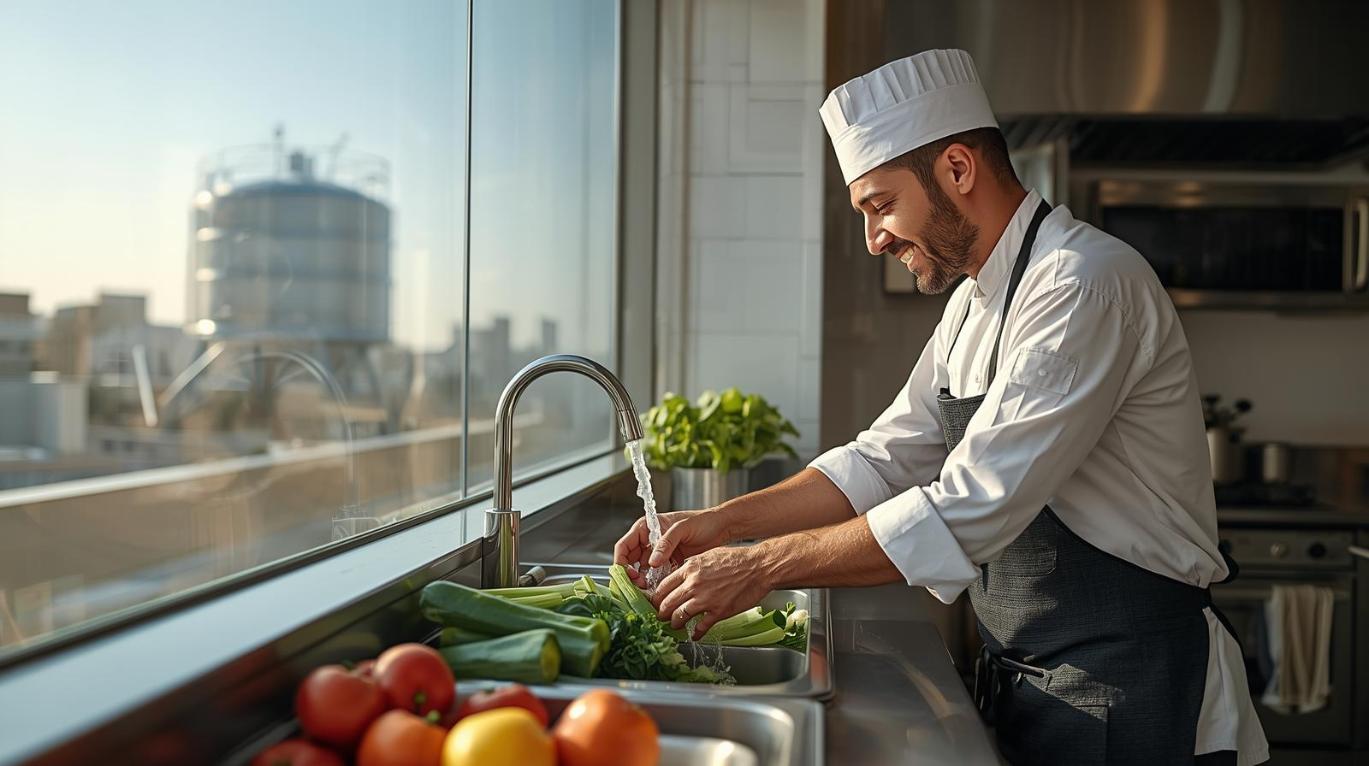
The story of food safety in Saudi Arabia’s coastal culinary capital now moves from kitchen counters and refrigerated storage to beginning at the source.
Restaurants, bakeries, juice bars, and specialty coffee shops in Jeddah are now focusing on water tank cleaning and are shifting the focus of hospitality operators to the new paradigm of the importance of hygiene, quality control, and confidence of the customer (source: شركة تنظيف خزانات بجدة).
The importance of water as an ingredient and as an element promoting sanitation in food production is, perhaps, best seen in its role as an ingredient in every food and beverage product prepared and served.
First and foremost, water is an ingredient in the food product served. Water is also used to rinse fresh herbs, to boil pasta, to brew coffee, to freeze beverage products into ice cubes, and to sanitize cooking utensils.
Furthermore, the water used in the storage and delivery of food products, however, can create public health problems due to its microbial, sediment, and other contaminants.
As a result, food establishments that attempt to achieve the ever-growing municipal as well as consumer standards view tank sanitation as a strategic initiative versus an operational task.
The New Level of Hygiene in Commercial Kitchens
The owners of cafes and restaurants know that the modern consumer has become highly selective.
The importance of plain sight, as well as the transparency of food production, has increased due to the proliferation of social media, food blogs, delivery services, and numerous other digital communication channels.
The potential of a single instance of water contamination to destroy the reputation of a food production operation is extremely high.
As part of the growing compliance culture, professional sanitization services for water tanks have become standard practice.
Scheduled inspections, sludge disposals, disinfection, and subsequent clean water quality testing allow water storage facilities to keep water clean and safe for food and drink production.
This helps hospitality managers to manage their operations and compliance for their safe practice.
In the preparation of stocks, sauces, and drinks, the confidence of kitchen supervisors in the water supply system is reinforced by the assurance of compliance with minimum water quality standards.
This confidence is a guarantee to operate without disruptions to problems of maintenance, health, and others.
ALSO READ: From Stream to Stove: How Movie Nights with 123movie Sparked a Home Cooking Revolution
Enhancement of Water and Drink Quality
In the fast food and specialty coffee service, water quality is a critical factor in quality assurance.
Chefs and baristas in the cafes and restaurants take huge and precise measures to remove any form of contaminants from the water, as even the smallest contaminants in water can affect the quality of food to be served, not just in aroma but also in texture, uniformity, and water level.
Clean food-grade storage tanks guarantee culinary experts the ability to maintain the uniformity of the water quality. This is particularly important in preparing premium teas and making artisanal gelato.
Safe food is not to be served in the restaurants; it is, however, to provide reliable water quality to the customers.
Building Consumer Trust Through Preventive Care
Customers might never see the water tanks that are located on the roof or the hidden utility rooms, but the results are visible, from clear ice cubes, fresh salads, excellent drinks, and a well-managed operation. In competitive areas full of restaurants and cafes, trust becomes the ultimate competitive advantage.
Preventive water tank maintenance is the commitment and trust that goes beyond the visible aspects of cleanliness and a commitment to understanding that hygiene is a system. From procurement and storage to preparation and service, they are all interconnected.
Clean tanks also mean a safe water and food ecosystem. It also aligns with sustainable and public health goals. Clean tanks mean there will be less water waste because of germs, and contaminated water would be a public health risk. More food establishments would increase the level of the public health risk.
The food culture of Jeddah is rapidly evolving, and so are its innovation, hospitality, and communal aspects. By improving and enhancing water safety practices, cafes and restaurants are establishing and strengthening the building blocks for the memorable experiences.


